
Marriage counseling is an effective way to address challenges in a relationship and foster a stronger, healthier bond between partners. Whether you’re dealing with trust issues, communication barriers, or the pressures of daily life, seeking professional help can make a significant difference. This comprehensive guide explores everything you need to know about starting marriage counseling, its benefits, and practical steps to make the most of the process.
Table of Contents
Understanding Marriage Counseling
Marriage counseling, also known as couples therapy, focuses on helping partners improve their relationships. A trained therapist guides couples through structured sessions to address challenges such as conflicts, emotional withdrawal, and a lack of intimacy. It’s not limited to couples on the brink of divorce; marriage counseling can also be preventive, helping partners strengthen their bond before significant issues arise.
How Marriage Counseling Works
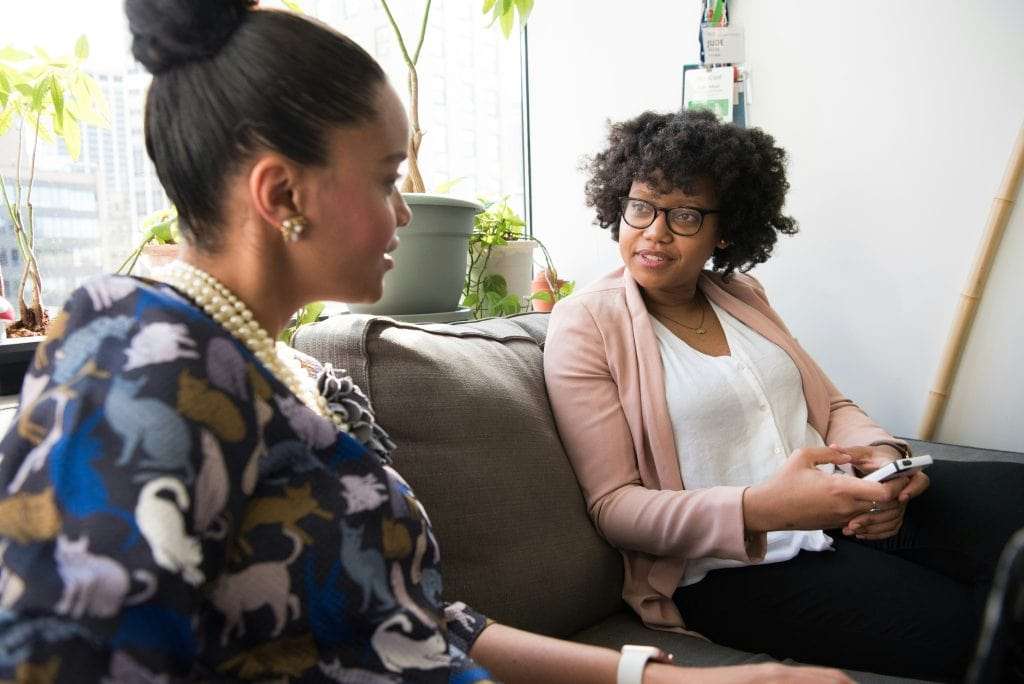
Marriage counseling is a way to help couples understand their challenges and work through them together. It creates a space where both partners can share openly and learn new ways to strengthen their relationship. Below is an outline of how this process typically unfolds:
Assessment Stage
In the initial sessions, the counselor gathers information about your relationship’s history, challenges, and strengths. This phase often includes individual and joint discussions, allowing the counselor to get a complete picture of the dynamics at play.
Goal Setting
Partners work with the therapist to establish shared objectives, such as improving communication, rebuilding trust, or resolving specific conflicts. Clear and actionable goals ensure that both partners have a mutual understanding of what they are working toward.
Therapeutic Techniques
Counselors use evidence-based methods like the Gottman Method or Emotionally Focused Therapy (EFT) to guide discussions and promote healing. These techniques address both surface-level issues and deeper emotional needs.
Progress Evaluation
Regular check-ins help track improvements and adjust strategies as needed. This ensures that therapy remains effective and responsive to the couple’s evolving needs.
Benefits of Starting Marriage Counseling
Marriage counseling offers numerous advantages for couples at any stage of their relationship. These include:
- Improved Communication: Learn how to express yourself clearly and listen actively. Counseling provides tools to help partners articulate their needs without resorting to blame or criticism.
- Conflict Resolution: Gain tools to navigate disagreements constructively. By learning techniques to de-escalate tension, couples can prevent minor disagreements from spiraling into major conflicts.
- Rebuilt Trust: Address issues like infidelity or dishonesty with professional guidance. Trust is a cornerstone of any relationship, and counseling can help rebuild it through honest dialogue and actionable steps.
- Strengthened Intimacy: Rekindle emotional and physical connections. By addressing barriers to intimacy, couples can rediscover the joy and closeness that brought them together.
- Enhanced Coping Skills: Develop strategies to manage stress and life transitions as a team. Life changes can strain even the strongest relationships, but counseling provides tools to navigate them effectively.
Comparison of Counseling Techniques
| Technique | Focus | Best For |
| The Gottman Method | Communication and trust-building | Couples with frequent arguments |
| Emotionally Focused Therapy | Emotional connection and attachment | Couples feeling disconnected |
| Cognitive Behavioral Therapy | Reframing negative thoughts and behaviors | Couples dealing with specific issues |
| Role-Playing | Practicing communication strategies | Couples struggling to express feelings |
How to Prepare for Marriage Counseling
Preparation is key to getting the most out of your counseling sessions. Here are some steps to consider:
Identify Key Issues
Reflect on the primary challenges you want to address. Journaling can help clarify your thoughts and provide a starting point for discussions during sessions.
Set Goals Together
Discuss your expectations and desired outcomes with your partner before your first session. Having a shared vision ensures that both partners are aligned in their efforts.
Stay Open-Minded
Be prepared to share your feelings honestly and listen to your partner without judgment. Openness fosters trust and collaboration.
Choose the Right Counselor
Look for a licensed professional with experience in marriage counseling. Reviews and recommendations can help you make an informed choice, ensuring that the counselor’s approach aligns with your needs.
How to Start Marriage Counseling
Beginning marriage counseling can feel like an overwhelming decision, but taking the first steps is simpler than it may seem. Here’s how you can initiate the process:
Research Local Options
Start by searching for marriage counselors or therapy centers in your area. Many professionals have websites that outline their qualifications, specializations, and approaches. Consider online directories, such as those provided by professional counseling associations, to find reputable therapists.
Explore Virtual Counseling Options
If in-person sessions are not feasible, look into online counseling services. Virtual therapy has become increasingly popular, offering flexibility and accessibility for busy couples or those living in remote areas.
Schedule a Consultation
Many therapists offer an initial consultation, either free or at a reduced cost. Use this opportunity to ask questions, discuss your concerns, and determine if their approach aligns with your needs.
Discuss the Decision With Your Partner
Before scheduling the first session, have an open conversation with your partner about why you believe counseling would be beneficial. Focus on how it can help both of you work as a team to address challenges rather than assigning blame.
Check Insurance or Financial Options
If cost is a concern, check whether your health insurance plan covers marriage counseling. Alternatively, inquire about sliding scale fees or community-based programs that offer affordable therapy options.
What to Expect in Your First Session
The initial session often sets the tone for the counseling process. During this meeting:
- The therapist will ask about your relationship history, major conflicts, and goals. This helps them understand your unique situation and tailor their approach accordingly.
- Both partners will have the opportunity to share their perspectives. This ensures that each person’s voice is heard and valued.
- The counselor will outline the structure of future sessions and discuss confidentiality. Establishing clear boundaries creates a safe space for open communication.
This session is a chance to build rapport with your therapist and establish a foundation for productive work.
Common Techniques Used in Marriage Counseling
Marriage counselors employ various techniques to help couples achieve their goals. Some of the most effective methods include:
The Gottman Method
Focuses on enhancing communication, building trust, and fostering emotional intimacy. This evidence-based approach includes exercises to improve the couple’s friendship and conflict resolution skills.
Emotionally Focused Therapy (EFT)
Helps partners identify and address negative patterns that hinder connection. By focusing on emotions and attachment, EFT promotes a deeper understanding of each other’s needs.
Cognitive Behavioral Therapy (CBT)
Encourages couples to reframe negative thoughts and behaviors. This approach helps partners replace unhelpful habits with positive actions.
Role-Playing
Allows partners to practice new communication strategies in a controlled setting. This technique provides a safe environment to explore alternative ways of interacting.
Homework Assignments
Therapists may recommend exercises like journaling or discussing specific topics between sessions. These activities reinforce the lessons learned during therapy.
Overcoming Challenges in Counseling
It’s common to encounter obstacles during marriage counseling. These might include:
- Resistance to Change: One or both partners may struggle to adapt to new patterns. Change can be uncomfortable, but persistence is key to success.
- Emotional Vulnerability: Sharing personal feelings can be uncomfortable but is essential for progress. A skilled therapist will create a supportive environment to ease this process.
- Unrealistic Expectations: Change takes time; patience and commitment are crucial. Setting realistic goals with your counselor can help manage expectations.
By addressing these challenges with your therapist, you can stay focused on your goals and build a stronger foundation for your relationship.
Tips for Success in Marriage Counseling
To maximize the benefits of counseling:
- Be Consistent: Attend sessions regularly and complete any assigned tasks. Consistency demonstrates commitment and ensures steady progress.
- Stay Patient: Progress may be gradual, but small steps lead to significant improvements. Trust the process and celebrate each milestone.
- Communicate Openly: Share your thoughts and feelings honestly while respecting your partner’s perspective. Open communication fosters mutual understanding.
- Focus on Solutions: Work collaboratively to find practical ways to address challenges. A solution-focused mindset helps keep the relationship moving forward.
20 Marriage Counseling Questions You Need to Know
How Long Does Marriage Counseling Take?
The duration varies based on the couple’s needs and goals. Some couples see improvements in a few weeks, while others may require months of therapy.
Can Counseling Save a Toxic Marriage?
While counseling can help address underlying issues, both partners must be willing to make changes for the relationship to improve. Toxic patterns can be broken with dedication and guidance.
How Do I Convince My Partner to Attend Counseling?
Approach the topic with empathy and explain how counseling can benefit both of you. Highlight that it’s a team effort to strengthen your relationship and not about assigning blame.
What Should I Bring to My First Session?
Bring an open mind, a willingness to participate, and any notes or thoughts about the issues you want to address. This helps the counselor understand your goals and concerns.
Is Marriage Counseling Worth It?
Studies show that couples therapy is effective for 70% of participants, making it a valuable investment in your relationship.
How Do I Find a Qualified Marriage Counselor?
Search for licensed therapists with experience in couples counseling, read reviews, and ask for recommendations from trusted sources.
Can Counseling Prevent Divorce?
Marriage counseling can help couples address issues before they escalate to divorce by improving communication, rebuilding trust, and fostering understanding.
Are Online Counseling Options Effective?
Virtual counseling is a flexible and accessible option for many couples, offering the same evidence-based techniques as in-person therapy.
How Much Does Marriage Counseling Typically Cost?
Costs vary widely depending on location, therapist qualifications, and session length. Some providers offer sliding scale fees or accept insurance.
What If My Partner Is Reluctant to Attend?
Start by attending counseling on your own to gain tools for improving the relationship. This may encourage your partner to join later.
How Do I Know If Counseling Is Working?
Signs of progress include improved communication, fewer arguments, and increased emotional connection. Your therapist will help you track these milestones.
What Happens If We Miss a Session?
Contact your therapist to reschedule. Consistency is important, but occasional missed sessions can be managed with clear communication.
Can Counseling Help With Parenting Challenges?
Yes, many marriage counselors can also address parenting conflicts and help couples align on approaches to raising children.
Is Marriage Counseling Confidential?
Yes, licensed therapists are bound by confidentiality laws. However, discuss specifics with your counselor to understand their policies.
How Should We Handle Disagreements About Therapy Goals?
Your therapist can mediate these discussions and help you establish mutually acceptable objectives for counseling.
How Soon Should We Start Counseling After a Major Conflict?
Seek counseling as soon as possible after a significant issue arises to address it before patterns become entrenched.
Can Pre-Marriage Counseling Be Beneficial?
Absolutely. Pre-marriage counseling helps couples prepare for potential challenges and establish strong foundations for their relationship.
What Role Does Homework Play in Therapy?
Homework assignments reinforce session work and encourage couples to apply techniques in their daily lives.
How Do We Maintain Progress After Counseling Ends?
Continue using the tools and strategies learned in therapy, schedule periodic check-ins, and seek booster sessions if needed.
How Do I Find Support If Counseling Doesn’t Work?
Consider individual therapy, support groups, or additional counseling resources to continue addressing challenges.
Conclusion
Starting marriage counseling can feel daunting, but it’s a proactive step toward a stronger and more fulfilling relationship. By understanding the process, setting clear goals, and working collaboratively with your partner and therapist, you can address challenges and build a healthier connection. Remember, every relationship has its ups and downs, and seeking help is a sign of strength, not weakness. Take the first step today and begin your journey toward a happier, healthier marriage.